Introduction
Many people use veneers to get a perfect smile. Thin, custom-made shells called veneers cover the front of teeth to make them look better. But before veneers are put on, a very important step called veneer teeth shaving is often needed to get the best results. In this piece, we’ll talk about veneer teeth shaving in more depth, including why it’s important and how it’s done.
Understanding Veneers
What Are Veneers?
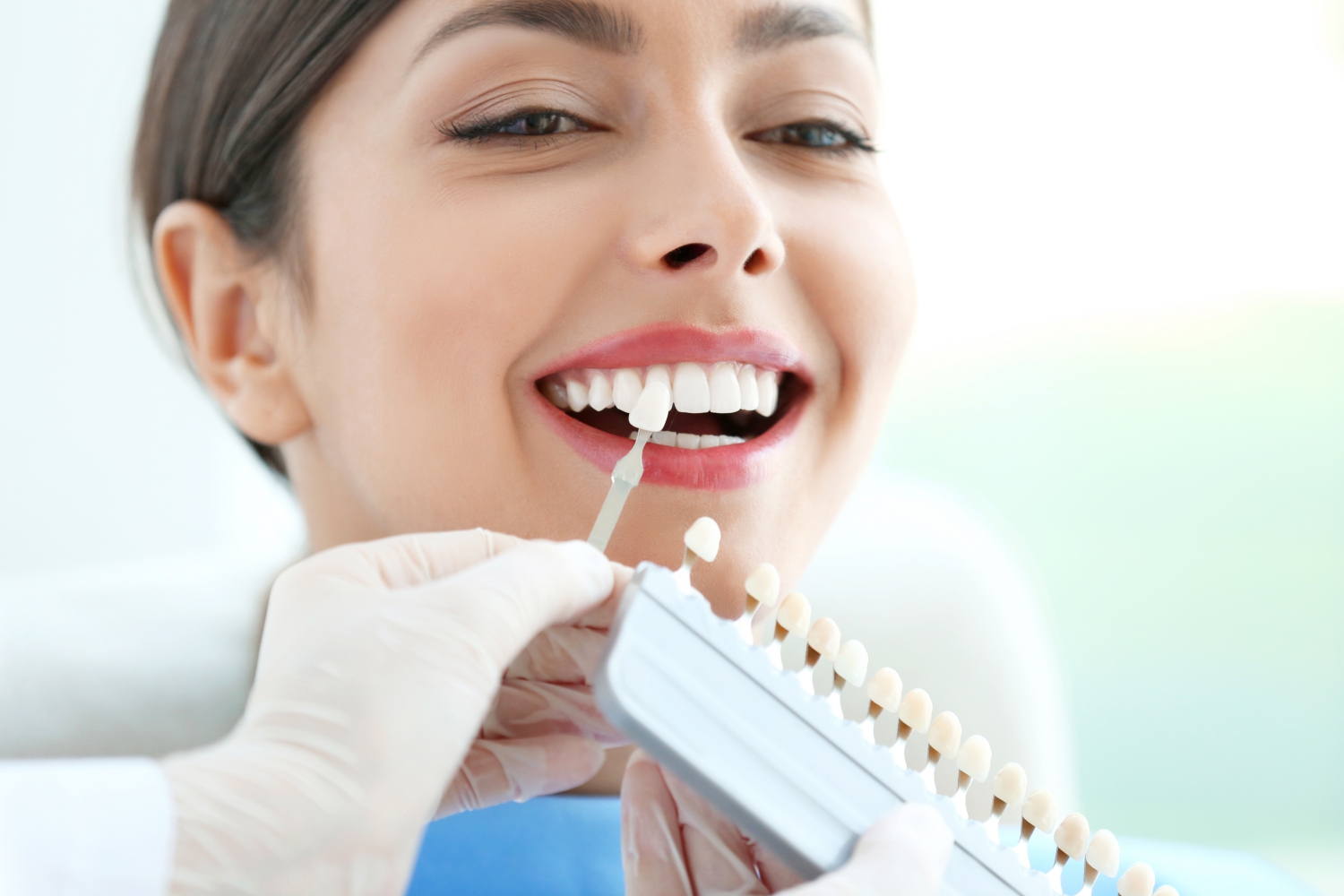
Veneers are dental prosthetics made from materials like porcelain or composite resin. They are designed to improve the aesthetics of teeth by addressing issues like discoloration, minor misalignment, and irregular shape.
The Need for Veneers
Many people seek veneers to achieve a brighter, more symmetrical smile. Permanent veneers can effectively hide imperfections that might be resistant to teeth whitening or orthodontic treatments.
The Process of Veneer Teeth Shaving
Why Shaving Is Required
Before veneers are applied, a thin layer of enamel is usually removed from the teeth. This step is crucial to ensure that the veneers sit flush with the rest of the teeth and don’t appear bulky or unnatural.
Initial Examination
The dentist will begin by conducting a thorough examination of your teeth. This might involve X-rays and impressions to determine the appropriate thickness for the veneers.
Anesthetic Administration
To ensure a comfortable experience, a local anesthetic is applied to numb the area before the shaving process begins.
Precise Shaving
Using specialized dental tools, the dentist will gently remove a small portion of the enamel from the front surface of the teeth. The amount removed is usually equivalent to the thickness of the veneer to be placed.
Temporary Veneers
After shaving, temporary veneers might be placed to protect the exposed teeth and provide some aesthetic improvement while the final veneers are being fabricated.
The Creation of Veneers
Customization
The dentist takes impressions of the shaved teeth, which are then sent to a dental laboratory. Here, skilled technicians create custom veneers that match the desired size, shape, and color.
Finalization
The temporary veneers are removed once the permanent ones are prepared, which typically takes a few weeks, and the permanent veneers are attached to the teeth with dental cement.
Post-Procedure Care
Adapting to Veneers
It’s common to experience a period of adjustment after veneer placement. Sensitivity might be present due to the removal of enamel, but this should subside over time.
Maintaining Veneers
Veneers don’t require special care beyond regular oral hygiene practices. Brushing, flossing, and routine dental check-ups are essential to keep your veneers and natural teeth healthy.
Benefits of Veneer Teeth Shaving
Natural Appearance
With proper shaving, veneers blend seamlessly with your natural teeth, providing a natural and attractive smile.
Enhanced Comfort
Shaving ensures that the veneers don’t protrude or feel uncomfortable in your mouth.
Longevity
Well-shaved teeth allow the veneers to adhere more effectively, potentially increasing their lifespan.
Conclusion
Veneer teeth shaving is a fundamental step in achieving a stunning smile through veneers. This procedure ensures that the veneers look natural, feel comfortable, and last longer. With careful planning and expert dental work, veneers can transform your smile and boost your confidence.

